Why Hybrid Work Will Fully Become the Norm in 2026
Dec 10, 2025
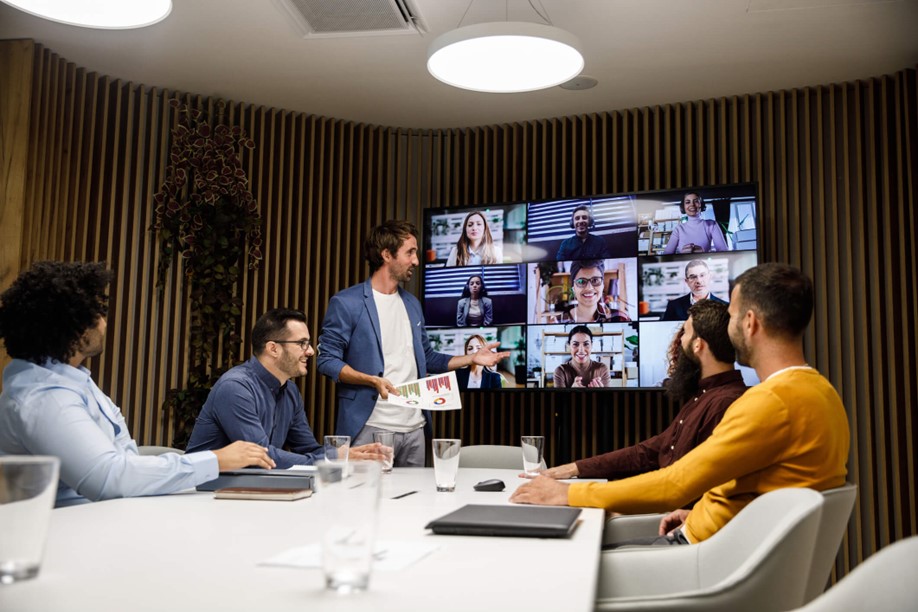
Houston, San Antonio, and Austin Hybrid Work Trends in 2026
The way we work continues to evolve, so Urban Office explores the future of work with Houston, San Antonio, and Austin hybrid work trends in 2026. What started as a temporary measure has now become a strategic advantage for businesses worldwide, as the hybrid model becomes the standard operating procedure for successful companies. For business owners, understanding and embracing this evolution is key to attracting top talent and building a resilient organization for the years to come. Learn how the increase in workplace flexibility in 2026 can benefit your business below.
The New Standard: Hybrid Work’s Rise
The hybrid work conversation has matured beyond experimentation. Organizations now focus on making flexibility sustainable, scalable, and competitive in a rapidly evolving workplace. Here’s an overview of the immediate future of hybrid work:
- Peak Adoption—By 2026, hybrid work will reach full normalization across industries. It will be the expected operating model rather than a differentiator.
- Proven Business Value—Early adopters have shown measurable gains. Higher engagement, retention, and access to global talent are well-established outcomes of the hybrid model.
- Operational Optimization—The emphasis has shifted toward refining policies, workflows, and leadership practices. Success depends on intentional design rather than informal flexibility.
- Competitive Imperative—Organizations are investing in technology and reimagining office hubs to support hybrid teams. Companies that ignore flexibility risk falling behind.
Flexible Spaces: The Rise of Hot Desking
As hybrid work becomes the norm, office design is focused on better reflecting how employees work. One of the most impactful shifts is moving away from permanently assigned desks. Here’s why hot desking is on the rise:
- The End of Fixed Seating—Assigned desks no longer make sense in a hybrid environment. Many workstations remain empty on any given day, driving unnecessary real estate costs.
- What Hot Desking Solves—Hot desking allows employees to reserve a workspace only when they need it. This setup ensures availability while eliminating wasted desks and floor space.
- Improved Space Utilization—Office layouts can be right-sized based on actual usage patterns rather than headcount. This design creates leaner, more cost-effective workplace strategies.
Cut Costs, Not Corners: Boosting Your Bottom Line
More than just a cultural shift, hybrid work and flexible offices have become a financial strategy. As companies refine their models for 2026, cost efficiency is becoming one of the strongest arguments for long-term adoption. Here are the main hybrid work benefits for businesses:
- Reducing Real Estate Costs—Large, fully occupied offices are expensive to maintain. Hybrid work allows organizations to shrink their physical footprint.
- Lower Operating Expenses—Smaller offices mean reduced spending on utilities, cleaning, and maintenance. Businesses can cut overall operating costs by up to 30 percent.
- Better Resource Allocation—Savings go beyond rent and energy bills to include supplies and daily services. Companies pay only for the space and resources they truly use.
Empowering Your People: Flexibility as a Superpower
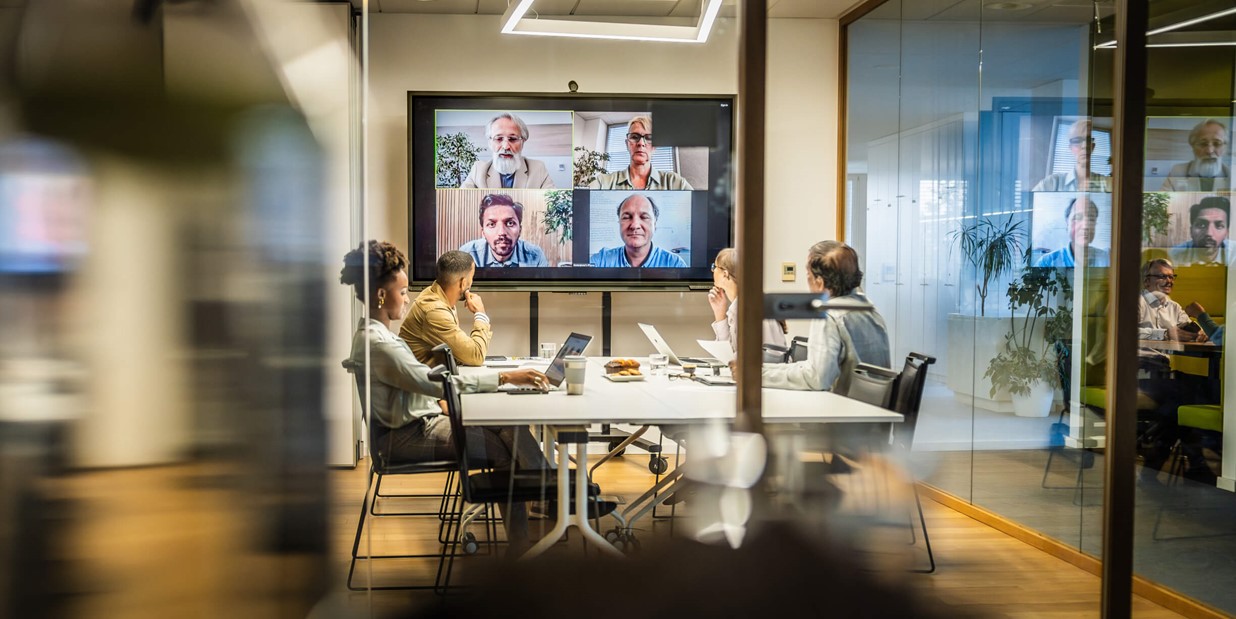
In a competitive talent market, flexibility has become just as important as compensation. By 2026, hybrid work will be an essential expectation for professionals across industries. Here’s what having a remote and in-office work balance offers your business:
- A New Talent Standard—Top candidates now prioritize flexibility when choosing employers. Hybrid work is quickly becoming a baseline requirement, not a bonus.
- Empowered Workdays—Hybrid work model adoption gives employees control over where and how they work. This autonomy improves work-life balance and reduces daily stress.
- Higher Engagement—Employees who feel trusted are more motivated and productive. Satisfaction increases when people can align their environment with their tasks.
- Stronger Retention—Blending remote focus with in-office collaboration builds trust and loyalty. Flexible cultures attract top talent and encourage them to stay long term.
Sparking Innovation Through Spontaneous Connection
As hybrid work evolves, the office is taking on a new and more intentional role. Rather than supporting solo tasks, it’s becoming a space designed for connection and collaboration. Your employees and business can benefit in the following ways:
- Redefining the Office—The future of hybrid work focuses on reimagining, not removing, the office. In 2026, offices will serve as collaboration-first environments.
- The Power of Hot Desking—Removing assigned seating encourages employees to mix across teams. These organic interactions often lead to fresh ideas and new perspectives.
- Stronger Company Culture—Informal conversations and shared experiences build trust and cohesion. A well-designed hybrid office strengthens culture and innovation.
Data-Driven Decisions for Workspace Design
Hybrid work success in 2026 depends on precision, not intuition. Here’s how data-driven insights are redefining how organizations design, manage, and optimize their workplaces:
- The End of Assumptions—Guesswork no longer belongs in workplace planning. Modern tools reveal the actual use of offices.
- Actionable Insights—Companies can track desk occupancy, collaboration hotspots, and employee preferences. These insights create a clear picture of real behavior.
- Optimized Space Design—Data allows organizations to optimize layouts rather than simply downsizing. Every square foot aligns with actual demand.
- Measurable Business Impact—Well-informed decisions improve productivity and employee experience. This approach maximizes real estate ROI while supporting hybrid work performance.
The Gen Z Effect: Shaping the Future Office
As Gen Z enters the workforce, expectations around where and how work happens are evolving. This generation values flexibility, but also meaningful in-person experiences that support growth and connection. Here’s how they’re shaping the office of the future:
- Work Expectations—Flexibility is essential, but it is not enough on its own. Gen Z also prioritizes mentorship, collaboration, and career development.
- An Interactive Hub—Younger employees view the office as a place to learn from colleagues and enjoy team-building activities. They enjoy learning and networking opportunities.
- Hybrid Design Appeal—Intentional office use makes hybrid work more attractive to emerging talent. Remote work supports deep focus, while office time builds relationships.
Embrace the Future of Work With Urban Office
When it comes to successfully navigating Houston, San Antonio, and Austin hybrid work trends in 2026, Urban Office can help you offer a more flexible and efficient operation. The transition to a hybrid work standard presents an exciting opportunity for various industries. We provide modern, private, and fully equipped office spaces, each with a private door, to help you implement a successful hybrid setup. Our locations offer the ideal environment for collaboration, focused work, and team building. Contact us today to explore how our flexible office solutions can help you thrive in 2026 and beyond.